
Testing
- Teacher: David McEwan
Hi
Welcome to NTC's Moodle site.
Here you can:
Testing


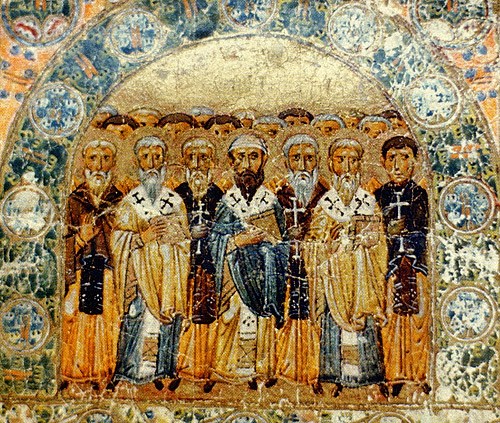
The Christian church is an evolving institution, which has constantly acted and reacted in terms of its own developing sense of identity, and in terms of its historical and social context. In this way, the theology and the ecclesiology of the church have come to assume their current shapes. This survey of church history introduces students to methods of historical inquiry and provides an overview of the church’s doctrinal and institutional evolution as a framework for other theological study and more advanced historical study.
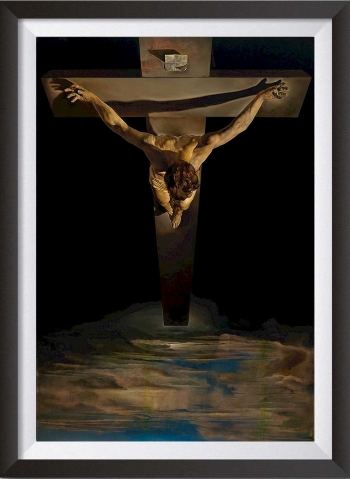
(The) Person & Work of Christ (UG: T7210B; Prerequisite: T7105 Intro to Christian Doctrines)
Christology & Soteriology (PG: T9210B; Prerequisite: T8105 Basic Christian Doctrine)
Jesus Christ is the most revered and influential person in the history of the world. But why is this? What can be known? Who is this Jesus? Who is this first century peasant Jew, whom the Christian Church affirms as fully human and divine? What did he do and why does it matter? Explore the Church's historical witness of who Jesus is and discern what this Jesus means for you and the Church today.

Information for Faculty, including onboarding resources, Moodle instructions, Zoom credentials, and generic assessment rubrics.

Information and resources for all students, including:

Christian education has traditionally been viewed as a process of cognitive formation. The Great Commission to make disciples, however, compels us to recognize it as a whole-life discipleship journey embracing the entire person, rather than just the mind. This course explores Christian education as an integrative learning process that impacts all of life in all seasons of life.

Why does asking questions improve our critical thinking skills? How can we ask questions that invite dialogue, engage diversity, and probe issues and problems more deeply? Is there a right answer to every question? When reading, when do we soak up a lot of information like a sponge and when should we select and filter it? Why do critical readers read the conclusion of an article or book first? What is a “hook” and a “thesis statement” and why do the introductions to our essays need them? How to we integrate the views of “scholars” into our writing? The learning activities in this class will respond to these questions and will improve critical thinking, reading, and writing skills for theological studies.
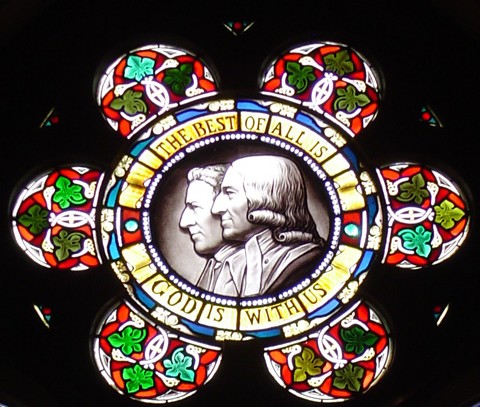
Western Christianity inhabits a culture that promotes individualism, instant-gratification consumerism, and an emphasis on self-help and private devotional practices for a better spirituality. A Wesleyan framework, by contrast, offers grace-filled transformative practices set in community for moulding mature Christians. Personal and community faith habits, or means of grace, are central to this pathway of discipleship. This unit will explore a range of personal and congregational practices that mediate the transformative power of God’s love to those committed to the pursuit of Christ-like discipleship within the community of faith.

When God speaks, new life is formed. As a preacher, you get to participate in proclaiming God’s life-giving word. It’s a great privilege but also a challenge. In this course, we will explore together how we can listen well, write well, and then deliver well. You will learn by doing, as you prepare and deliver sermons. Whether your context is a Sunday morning gathering or youth group devotions, if you’re new to preaching or looking to grow your skills, this course will grow your ability to communicate what God is saying today.

This unit provides students with an opportunity to understand the rather unique vocation of chaplaincy, introducing them to its distinctive characteristics, theological priorities, defining activities and core competencies. Students will explore the broad role of the chaplain, then focus on aspects of working in and leading teams, engaging with legal and organisational standards, and pursuing professional effectiveness. The unit will also expose students to some of the dilemmas, challenges, and opportunities faced by chaplains in the practice of professional chaplaincy across a variety of contexts.

Have you ever wondered about God, the meaning or purpose of life, the problem of evil, or the possibility of a future life? Explore these questions and others within the context of Christian understanding. No prerequisites, including faith, are required. Come with an openness to explore the meaning of life with some helpful guides from the past and present.

At various times in history, the Bible has been misunderstood or even misused to justify injustice, fuel division, or advance ideas far removed from God’s intent because of flawed methods of reading and interpretation. Reading verses out of context or assuming that a literal interpretation is always the best method may distort Scripture’s true message and cause serious harm. On the other hand, understanding the Bible isn’t always simple; time, language, and cultural gaps stand between the contemporary reader and the ancient world of the text. This class explores old and new techniques to bridge interpretation gaps and generate a more faithful, contextual, and wholistic understanding of Scripture.

All Christian churches believe that God has called Christ-followers to be holy, and that through his grace, the work of transformation has begun. But how far does this work of transformation go in this present life? What are the critical points in the debate? What exactly does a holy life look like today? Does it even matter if people are saved by grace alone? Answer these and other questions as you examine the biblical and theological material and then reflect on its impact for your life and ministry.
Doctrine of Christian Holiness PG: T9217B

The Christian Gospel begins here in Genesis and Exodus. These foundational books lay the groundwork, revealing how the world came into existence, the basis of human identity and value, God’s design for relationships with Himself, others, and creation, and God's principles for human flourishing. These books uncover why we are drawn toward sin, why our hearts long for something more, and how God promises to act on our behalf. When properly understood these ancient narratives enrich the Gospel message. This class will focus on how to read Genesis and Exodus well.
Israel’s Beginnings: The Books of Genesis and Exodus - PG: B9213B
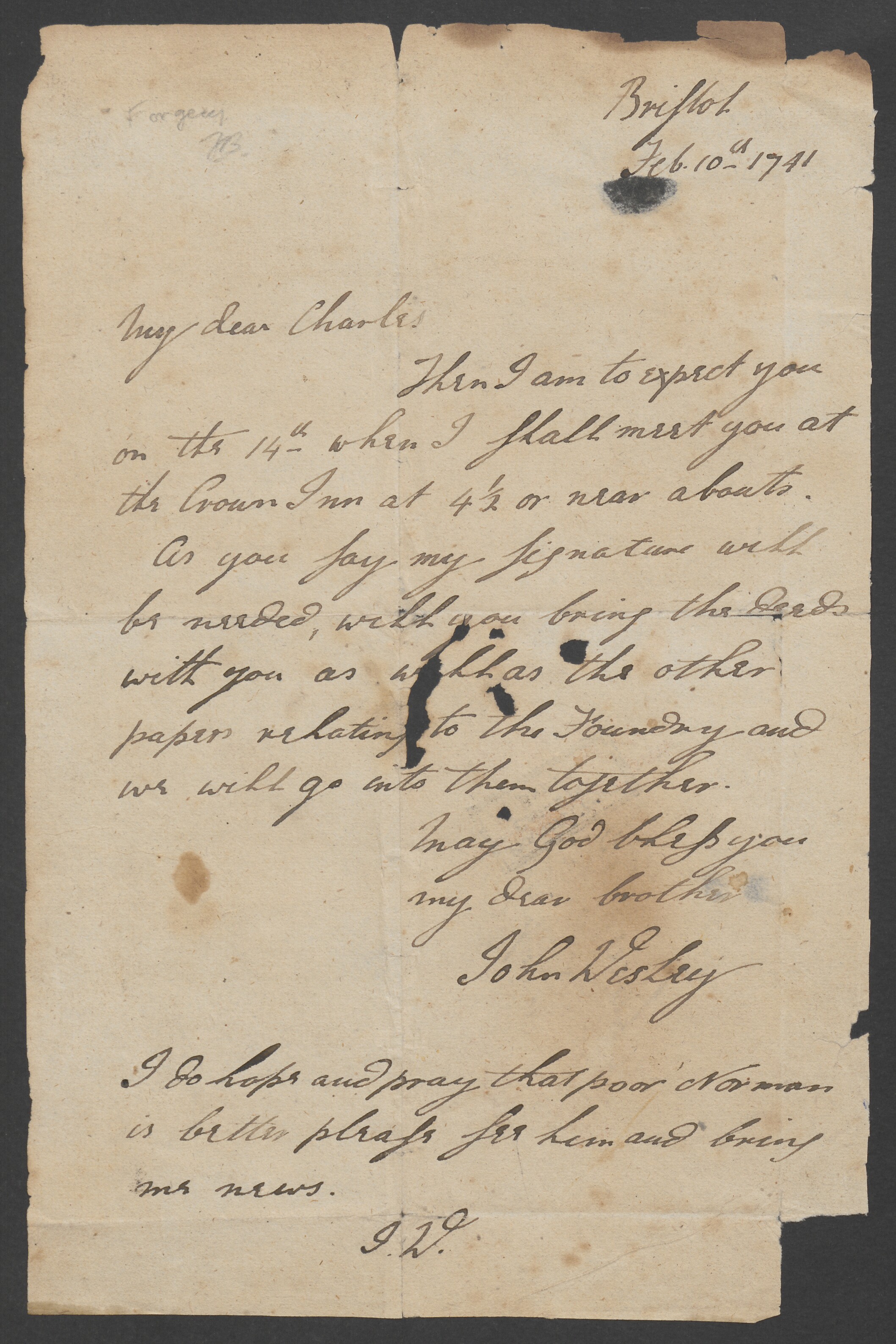
John and Charles Wesley, two Anglican priests in the 18th century, could never have imagined that two hundred and fifty years after their deaths roughly 80 million Christians around the world would identify themselves as ‘Wesleyan’ in their theology and spiritual practices. What was it about these two figures that inspired such a long-lasting tradition? What influenced their own theology and practices? How did they navigate the cultural, political, and ecclesial challenges of their day? These and many other questions will be explored in this fascinating class.
Theology of John and Charles Wesley (UG: T7268B)
Theological Writings of John and Charles Wesley (PG: T9268B)

A talking serpent; a God who thunders or rides on clouds to help; treachery, deception, and violence; insiders and outsiders; arcane laws and customs. Acquire the academic skills needed to understand the symbolism, artistry, meaning and significance of the sacred yet peculiar books of the Pentateuch.
Pentateuch (UG: B7212B)
Interpreting the Pentateuch (PG: B9212B)

How do we turn our faith into action? What does it truly mean to serve others within the Body of Christ? This course delves into the biblical and theological foundations of ministry, equipping you to reflect deeply on faith and respond to real-world needs in ways that are both biblically sound and theologically coherent. Discover how to apply your faith in practical and impactful ways as you learn to serve with wisdom and compassion.
Pastoral Theology and Ministry, Introduction to (UG: P7101B)
Pastoral Theology and Ministry in Context, Introduction to (UG CALD: cP7101B)
Pastoral and Practical Theology, Introduction to (PG: P8101B)