
• Hi

    Welcome to NTC's Moodle site. 
    Here you can:

    • access course materials, readings, and lecture content and recordings
    • submit assessments
    • check provisional grades and feedback
    • find orientation materials to help you get started
    • engage in discussion forums with lecturers and fellow students
    • view student handbooks and other college resources
    • review important policies and procedures
    • stay up to date with college announcements and events.
    • If you have any questions, please feel free to contact us using the below form. 

Available courses

Those engaged in Pastoral Care will often find themselves called upon to offer Pastoral Counselling formally or informally. How does one prepare? How do Pastoral Care and Counselling overlap? What is distinctive about Pastoral Counselling? What are its relationships to the Bible, theology, and the behavioural sciences? And what are the attitudes, values, strategies, and skills that help turn a well-meaning conversation into a therapeutic dialogue? Explore these and other questions while developing the basic skills of this very practical and important aspect of pastoral care.

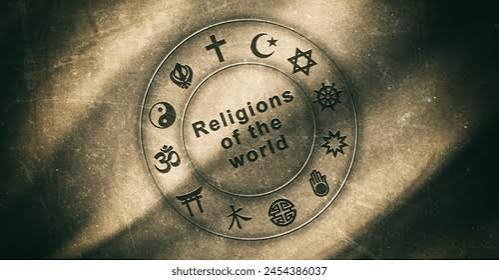
The study of Christian theology today is impacted by the realities of a multi-cultural, multi-faith society, with a diverse range of perspectives, beliefs, and practises. Christians cannot afford to be ignorant of the teachings and beliefs of other world religions, as daily life increasingly becomes an intersection of worldviews. Being able to effectively communicate the Gospel in this context means having some knowledge of the context. Equip yourself with a basic understanding of the beliefs and practises of other religious faiths.

The rise and growth of the Pentecostal movement have led to a renewed interest in the Person and Work of the Holy Spirit. Questions have been raised about the way the Spirit works in both the church community and individual lives. How is this reflected in worship and ministry? Does the Spirit only work directly in the heart of the believer, or can the Spirit work through things like sacraments? When the news is filled with violence and destruction, what purpose does the Church play in society? Explore these questions and consider the ways in which our understanding of the Holy Spirit and Church equips our engagement with the world.

Christian education has traditionally been viewed as a process of cognitive formation. The Great Commission to make disciples, however, compels us to recognize it as a whole-life discipleship journey embracing the entire person, rather than just the mind. This course explores Christian education as an integrative learning process that impacts all of life in all seasons of life.

Why does asking questions improve our critical thinking skills? How can we ask questions that invite dialogue, engage diversity, and probe issues and problems more deeply? Is there a right answer to every question? When reading, when do we soak up a lot of information like a sponge and when should we select and filter it? Why do critical readers read the conclusion of an article or book first? What is a “hook” and a “thesis statement” and why do the introductions to our essays need them? How to we integrate the views of “scholars” into our writing? The learning activities in this class will respond to these questions and will improve critical thinking, reading, and writing skills for theological studies.

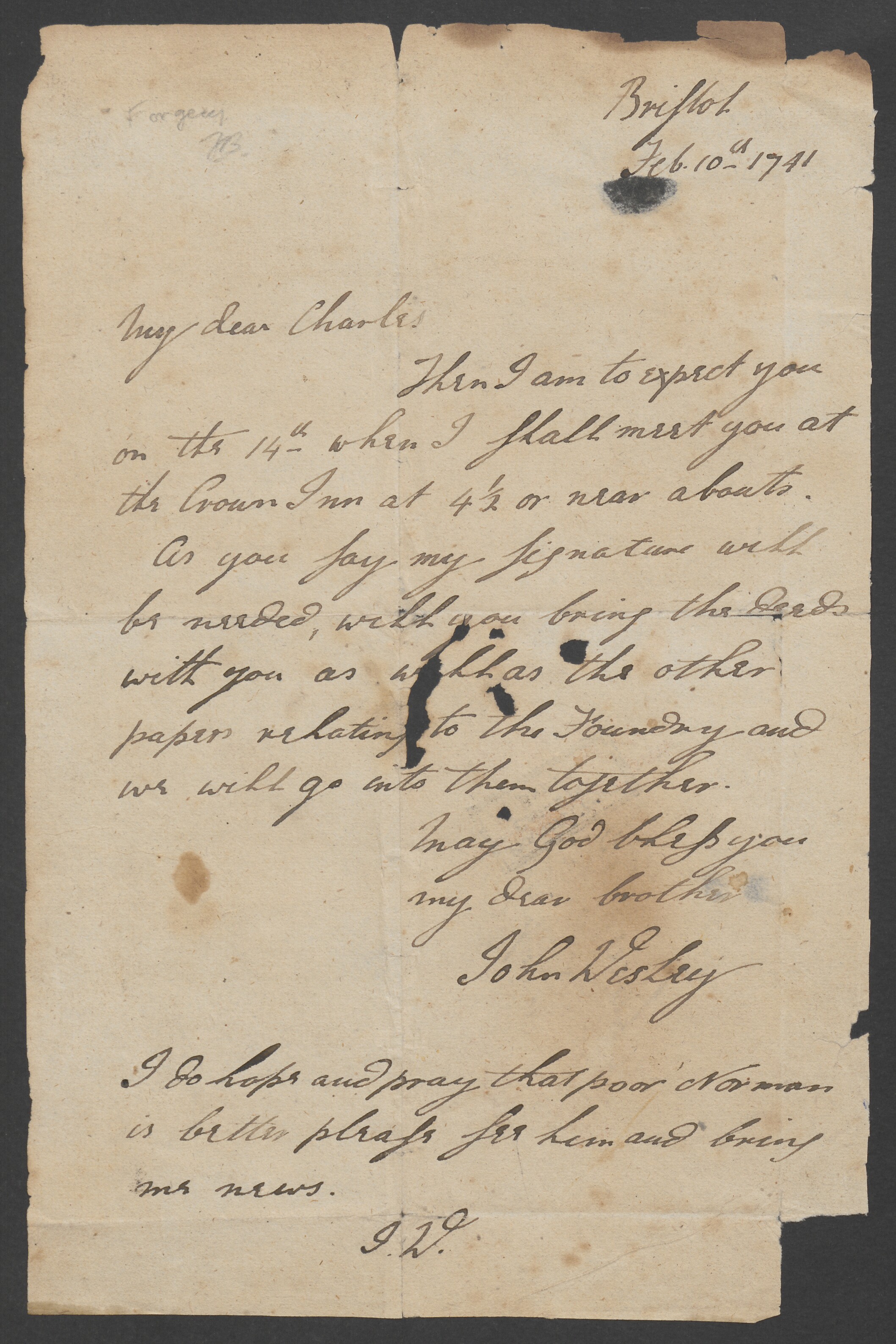
Western Christianity inhabits a culture that promotes individualism, instant-gratification consumerism, and an emphasis on self-help and private devotional practices for a better spirituality. A Wesleyan framework, by contrast, offers grace-filled transformative practices set in community for moulding mature Christians. Personal and community faith habits, or means of grace, are central to this pathway of discipleship. This unit will explore a range of personal and congregational practices that mediate the transformative power of God’s love to those committed to the pursuit of Christ-like discipleship within the community of faith.

When God speaks, new life is formed. As a preacher, you get to participate in proclaiming God’s life-giving word. It’s a great privilege but also a challenge. In this course, we will explore together how we can listen well, write well, and then deliver well. You will learn by doing, as you prepare and deliver sermons. Whether your context is a Sunday morning gathering or youth group devotions, if you’re new to preaching or looking to grow your skills, this course will grow your ability to communicate what God is saying today.

This unit provides students with an opportunity to understand the rather unique vocation of chaplaincy, introducing them to its distinctive characteristics, theological priorities, defining activities and core competencies. Students will explore the broad role of the chaplain, then focus on aspects of working in and leading teams, engaging with legal and organisational standards, and pursuing professional effectiveness. The unit will also expose students to some of the dilemmas, challenges, and opportunities faced by chaplains in the practice of professional chaplaincy across a variety of contexts.

Have you ever wondered about God, the meaning or purpose of life, the problem of evil, or the possibility of a future life? Explore these questions and others within the context of Christian understanding. No prerequisites, including faith, are required. Come with an openness to explore the meaning of life with some helpful guides from the past and present.

At various times in history, the Bible has been misunderstood or even misused to justify injustice, fuel division, or advance ideas far removed from God’s intent because of flawed methods of reading and interpretation. Reading verses out of context or assuming that a literal interpretation is always the best method may distort Scripture’s true message and cause serious harm. On the other hand, understanding the Bible isn’t always simple; time, language, and cultural gaps stand between the contemporary reader and the ancient world of the text. This class explores old and new techniques to bridge interpretation gaps and generate a more faithful, contextual, and wholistic understanding of Scripture.

The Christian church is an evolving institution, which has constantly acted and reacted in terms of its own developing sense of identity, and in terms of its historical and social context. In this way, the theology and the ecclesiology of the church have come to assume their current shapes. This survey of church history introduces students to methods of historical inquiry and provides an overview of the church’s doctrinal and institutional evolution as a framework for other theological study and more advanced historical study.

Information for Faculty, including onboarding resources, Moodle instructions, Zoom credentials, and generic assessment rubrics.

Information and resources for all students, including:

  • orientation materials
  • templates for assessments, including essays and the cover sheets
  • extension requests for assessments
  • library resources, including electronic database login details
  • student handbooks
  • relevant student policies
  • grievance resolution.

test
(The) Person & Work of Christ
(UG: T7210B; Prerequisite: T7105 Intro to Christian Doctrines)

Christology & Soteriology (PG: T9210B; Prerequisite: T8105 Basic Christian Doctrine)

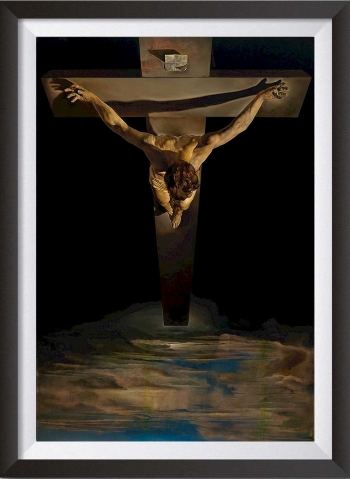
Jesus Christ is the most revered and influential person in the history of the world. But why is this? What can be known? Who is this Jesus? Who is this first century peasant Jew, whom the Christian Church affirms as fully human and divine? What did he do and why does it matter? Explore the Church's historical witness of who Jesus is and discern what this Jesus means for you and the Church today.